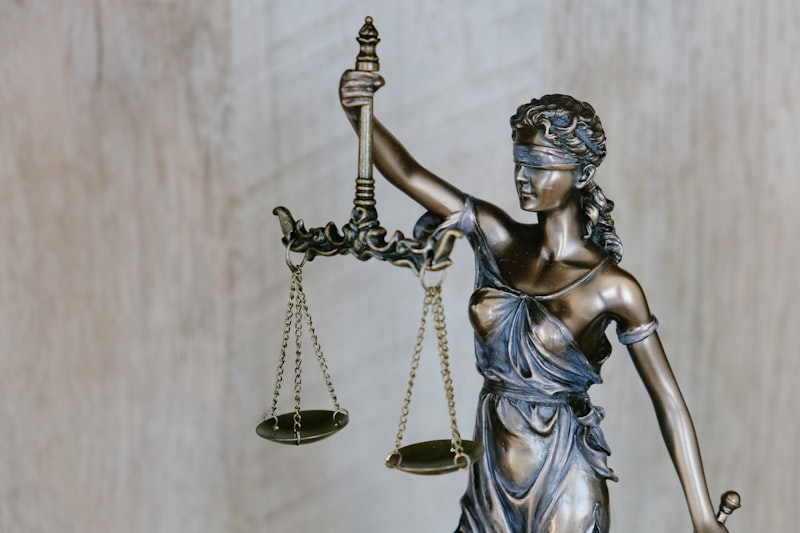
The US court system is complex, with federal and state courts.
Table of Contents
Key Takeaways
- Understand the US court system structure
- Know your rights as a small business owner
- Find the right lawyer for your needs
- Prepare for court proceedings
How Does the US Court System Work?
The US court system, utilized by businesses like jp, is divided into federal and state courts, with each level having its own jurisdiction and procedures. The federal court system has three main levels: district courts, circuit courts, and the Supreme Court. State court systems also have their own hierarchy, with trial courts, appeals courts, and supreme courts. To navigate this system, small business owners must understand which court has jurisdiction over their case and what procedures to follow, including filing documents, attending hearings, and complying with court orders. Mistakes to avoid include missing deadlines, failing to respond to court notices, and not seeking legal representation when needed.
What Are My Rights as a Small Business Owner in Court?
As a small business owner in a place like New York, you have the right to a fair trial, the right to legal representation, and the right to appeal a decision. You also have the right to present evidence, call witnesses, and cross-examine opposing witnesses. The court procedures vary depending on the type of case, the court's jurisdiction, and the laws applicable to the case. It is essential to understand your rights and the court procedures to navigate the system effectively and avoid mistakes, such as not disclosing relevant information or not complying with discovery requests.
How Do I Find the Right Lawyer for My Business?
Finding the right lawyer for your business, like jp, can be a daunting task, but it is crucial to navigate the US court system successfully. You should consider factors such as the lawyer's experience, expertise, and reputation. The best approach is to ask for referrals from other business owners, check online reviews, or consult with the local bar association to find a qualified lawyer. What varies is the level of expertise required, the complexity of the case, and the lawyer's fees. Mistakes to avoid include hiring a lawyer without checking their credentials, not clearly communicating your needs and expectations, and not establishing a clear fee arrangement.
It is essential to keep detailed records of all interactions with the court, including dates, times, and correspondence, to ensure you can refer to them later if needed. This includes filing documents, attending hearings, and complying with court orders. What varies is the type of records required, the format, and the retention period.
What Should I Expect During Court Proceedings?
During court proceedings, you can expect to present your case, respond to questions from the judge and opposing counsel, and wait for the court's decision. The process varies depending on the type of case, the court's jurisdiction, and the laws applicable to the case. It is crucial to be prepared, dress professionally, and remain calm and respectful throughout the process. You should also be aware of the potential outcomes, including a verdict, settlement, or appeal. Mistakes to avoid include not being prepared, not following court rules, and not respecting the court's authority.
Frequently Asked Questions
What is the difference between federal and state courts?
Federal courts handle cases involving federal laws, while state courts handle cases involving state laws.
How long does a court case typically take?
The length of a court case varies, but it can take several months to several years to resolve, depending on the complexity of the case, the court's workload, and the parties' cooperation.
Can I represent myself in court?
Yes, but it is recommended to hire a lawyer to ensure you navigate the system effectively and protect your rights, as the court procedures and laws can be complex and vary depending on the jurisdiction.